




Therapy for stress and burnout helps you see what is draining you, take back some control over the load, and recover the energy and patience you used to have. If your exhaustion comes mainly from your job, our Career & Professional Stress page is the closer fit, and this page is for stress from the rest of life.
What Does Burnout Feel Like Outside of Work?
You wake up tired and stay that way. Small requests leave you overwhelmed, you snap at people you love, and things you used to enjoy feel like chores. Sleep is off, and headaches or stomach trouble come and go. You may keep functioning, and even look fine from the outside, while running on empty. Strictly, the World Health Organization uses the word burn-out only for chronic workplace stress. Many people use it for the same depletion from caregiving, parenting, school, illness or a long run of hard events, and that is what this page is about.
What People Often Bring
People come while caring for a parent or partner who is ill, parenting with little help, managing their own health condition, or juggling school, work and family at once. Others are carrying money worries, a family crisis, or several hard things in a row with no time to recover between them. Students bring exam pressure and the sense of never being caught up. Many say they cannot remember the last day they had with nothing they had to do.
How This Differs From Career & Professional Stress
Career & Professional Stress is for stress that comes mainly from work: burnout from the job, a difficult workplace, impostor feelings or a career decision. This page is for strain from the rest of life, or from everything at once. If low mood has settled in and does not lift with rest, see Depression. If worry is the main problem, see Anxiety. For one big change, such as a move or retirement, see Life Transitions.
What Sessions Can Look Like
Early sessions usually take stock: what is on your plate, what you can drop, share or put off, and what you need in order to recover. Practical work might include protecting sleep, building short breaks into the day, asking family for specific help, or saying no to one more commitment. Therapy also looks at what keeps you overloaded, such as guilt about resting, a habit of putting everyone else first, or a belief that you should be able to handle it all alone. If stress is showing up in your body, your clinician may suggest checking in with your doctor as well.
How We Approach This Work
Chandni Patel draws on her early work as an EMT and her understanding of the mind-body connection, using CBT, ACT, mindfulness and somatic approaches. Jacob Ventricelli works with organizational stress, the demands of high-pressure work and emotional regulation, drawing on CBT, ACT and DBT. Andrew H. Kim uses CBT, DBT, ACT, Solution-Focused and somatic techniques within an integrative, trauma-informed frame. Dan Juengst brings a goal-oriented, client-centered approach and has supported clients through life transitions. Erica Robinson helps adults facing anxiety, emotional distress and life transitions build emotional resilience, integrating CBT and DBT skills. Chelsea V. Parisi uses a warm, strengths-based approach and brings a calm, steady presence to people in distress, drawing on CBT and coping skills. Dan, Erica and Chelsea see clients by telehealth only.
Clinicians who work in this area

Jacob Ventricelli
LAC, NCC
Accepting new clientsPracticing under the supervision of Chandni Patel, LCSW, LCADC
Schedule a Free Consultation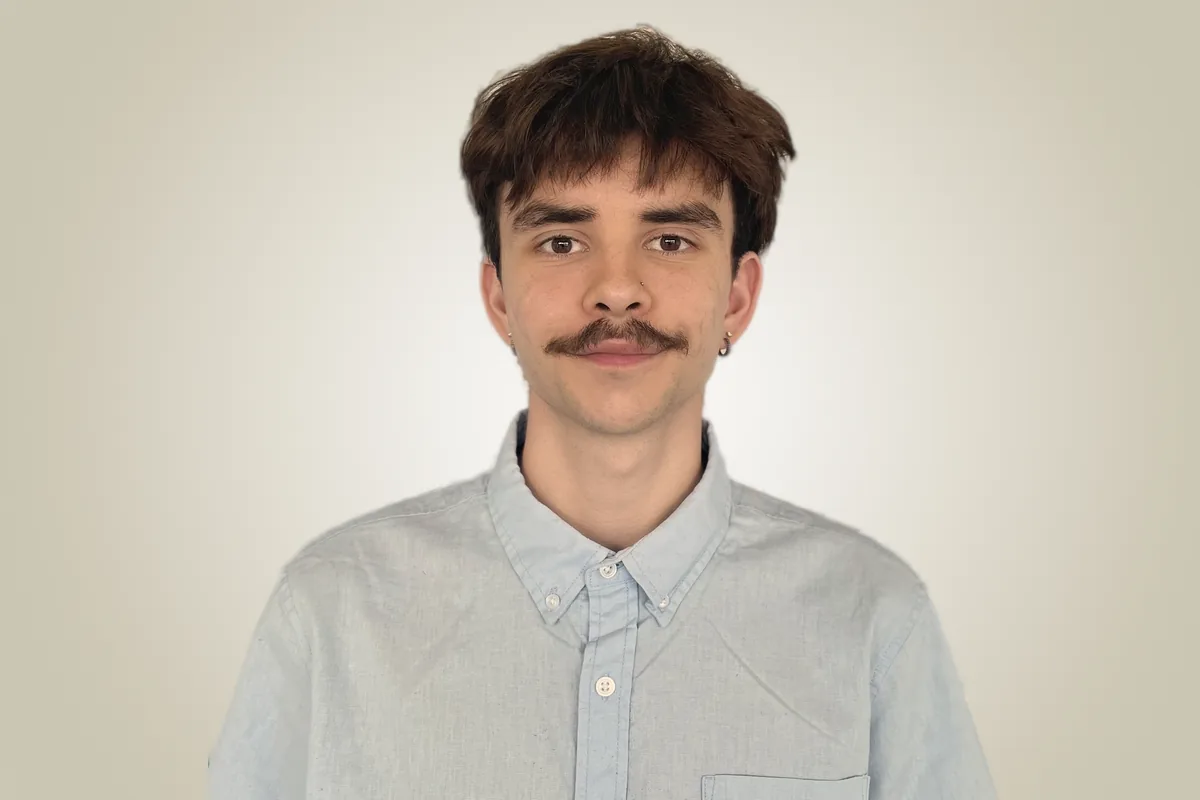
Dan Juengst
LSW, LMSW
Accepting new clientsPracticing under the supervision of Chandni Patel, LCSW, LCADC and the fellowship lead of Andrew H. Kim, LCSW, LCADC
Schedule a Free ConsultationErica Robinson
LAC, NCC
Accepting new clientsPracticing under the supervision and fellowship lead of Chandni Patel, LCSW, LCADC
Schedule a Free Consultation
Chelsea V. Parisi
LSW
Accepting new clientsPracticing under the supervision and fellowship lead of Chandni Patel, LCSW, LCADC
Schedule a Free Consultation
Chandni Patel
LCSW, LCADC
Waitlist for new clientsSchedule a Free Consultation
Andrew H. Kim
LCSW, LCADC
Waitlist for new clientsSchedule a Free ConsultationOur Psychotherapist Fellows have individual supervision every week, and Andrew H. Kim, Chandni Patel, or both are involved in each fellow's cases. How supervision works
Therapy Aligned is not a crisis service. If you are in crisis, call or text 988 (Suicide & Crisis Lifeline), or call 911 in an emergency.
Online Across New Jersey and In Person in Metuchen
All six clinicians offer secure telehealth anywhere in New Jersey, and sessions with Chandni, Jacob and Andrew are also available in person in Metuchen, NJ. Telehealth can be easier to fit around caregiving or a packed week. Clients must be located in New Jersey at the time of each session. Self-pay is $200 per session, with a Good Faith Estimate, and if you use insurance, coverage depends on your plan.
Your therapist combines approaches like these to fit what you bring. Read more about our clinical approach.
What the Research Shows
The World Health Organization (2019) lists burn-out in the ICD-11 as an occupational phenomenon that results from chronic workplace stress. It names three features: exhaustion, mental distance or cynicism, and reduced effectiveness. Maslach and Leiter (2016, World Psychiatry) describe the same three dimensions in decades of burnout research. Neuroscientist Bruce McEwen (1998, New England Journal of Medicine) described how stress that goes on without relief can wear on the body over time, a load he called allostatic load.
Research references
- World Health Organization. (2019, May 28). Burn-out an "occupational phenomenon": International Classification of Diseases. https://www.who.int/news/item/28-05-2019-burn-out-an-occupational-phenomenon-international-classification-of-diseases
- Maslach, C., & Leiter, M. P. (2016). Understanding the burnout experience: Recent research and its implications for psychiatry. World Psychiatry, 15(2), 103-111. https://doi.org/10.1002/wps.20311
- McEwen, B. S. (1998). Protective and damaging effects of stress mediators. New England Journal of Medicine, 338(3), 171-179. https://doi.org/10.1056/NEJM199801153380307